

Why Solid Oak Furniture can crack — And Why That's a Good Thing
Solid oak breathes with the seasons, and that natural movement can cause small cracks. Here's why that's normal, why it doesn't affect strength, and how to fix one in minutes.

Wood is alive, even after it becomes furniture
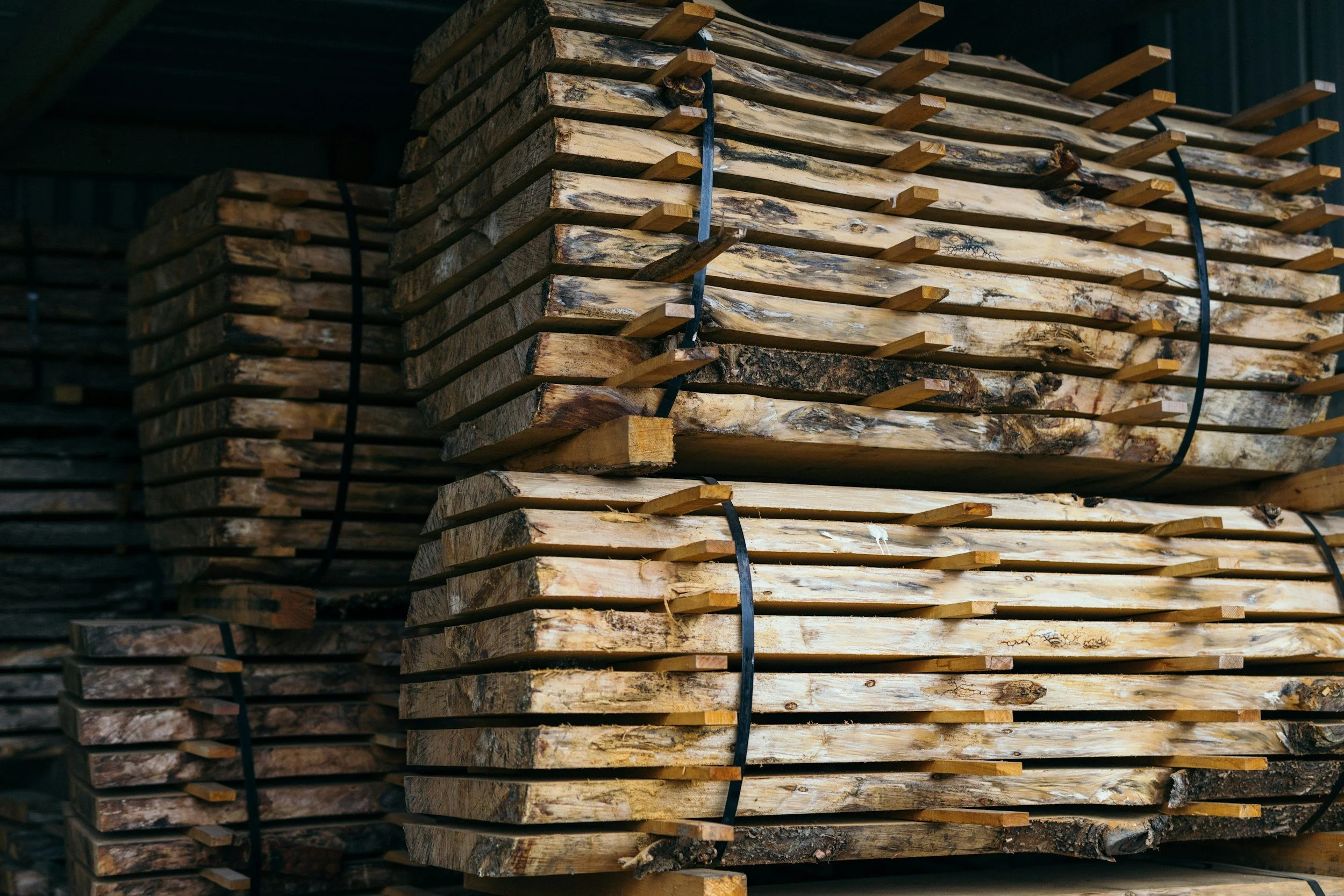
Natural oak never fully stops reacting to its environment. It absorbs moisture from the air and releases it back, depending on the season. In summer, higher humidity makes the wood absorb moisture and expand. In winter, when heating dries out the air, the wood releases moisture and contracts.
This constant, tiny movement is completely normal — it's the same reason old wooden floors creak and doors get slightly harder to close in certain months. When the movement is uneven across a piece, or when the seasonal swing is significant, small cracks can appear on the surface.
Cracks are a sign of real wood, not a flaw
This is one of the biggest differences between solid wood and plywood or veneer furniture. Plywood is engineered to stay rigid and hide any natural behaviour — but it also means that once it's damaged, it usually can't be fixed. It gets replaced.
Solid oak, on the other hand, shows its character. A crack is proof that what you own is a real, living material, not a printed pattern glued onto board. And unlike plywood, solid wood furniture can be refurbished and corrected — often right at home.
Just as important: these cracks do not affect the structural strength of our furniture. Every Oak Studio Designs frame is connected every 5 cm with inside joints, so even if a surface crack appears, the piece stays just as strong and stable as the day it was built.
This doesn't happen to every piece
Most of our furniture never develops a crack over its lifetime. The risk goes up mainly when a piece lives in a home with large temperature swings, or when it's placed close to a heater, in direct sunlight, or near a fireplace. Those spots dry and move the wood more aggressively than a stable room would, so where possible, it's worth giving furniture a bit of distance from direct heat.
How to fix a crack, depending on its size
Small, hairline cracks — the easiest fix is a plain candle wax. Rub it gently into the crack, following the direction of the crack, and buff off the excess. It fills the gap and blends in within minutes.
Larger cracks — for these, we recommend a proper wood sealant such as Soudal Parquet Sealant. It's a water-based acrylic sealant made specifically for wood, available in a wide range of colors to match different wood tones. Application is just as simple: fill the crack with your finger, let it harden, and that's it — no sanding, painting, or extra steps needed. It matches the wood color on its own.
Why we leave a 3 mm gap
In general, our furniture is built with 3 mm gaps between body parts — between facades and frames, and between facades themselves. It's simply how the piece is constructed: room for the wood to breathe, so it can expand and contract without putting pressure on itself or on neighbouring parts.
It's also why drawer insides are made from oak veneer on manufactured wood rather than solid oak. If every part of a drawer were solid wood, the combined movement would be too much for the drawer mechanics to handle over time. Using veneer for these components is a deliberate choice — it keeps the visible parts of your furniture in solid oak while keeping the moving mechanisms trouble-free for years.
In rooms with significant temperature or humidity swings, facades can still shift slightly even with this gap, and doors or drawers may need a small adjustment. We cover exactly how this adjustment works in our article on adjusting your furniture for a perfect fit.
The takeaway
A crack in your oak furniture isn't damage — it's the wood expressing what it actually is. It moves with the seasons, it can be corrected at home, and thanks to how our frames are built, it never compromises the piece's strength. That's a trade-off most furniture materials simply can't offer.